
Essential Tips for Writing Checks Correctly
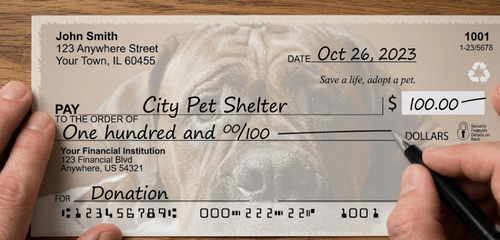 You know that uneasy feeling after handing over a check and then anxiously waiting to see if it actually clears? We get it. Even in a world ruled by swipes and taps, checks still hold a special place. Whether you’re covering rent, paying a contractor, or settling a business invoice, checks offer a tangible, reliable way to pay. But here’s the catch: one small slip-up on your check can lead to delays, confusion, or even surprise fees. To save you that headache, we want to walk you through the check-writing essentials. Trust us, your bank account and peace of mind will thank you.
Write It Neat, Write It Right: Mastering the Check Basics
Think of a check like a little contract on paper. When the details don’t match or are tough to read, your payment becomes a puzzle that even your bank doesn’t want to solve. Making sure every field is filled out correctly is key to smooth sailing.
Start with the date, always clear and current. Then move on to the payee’s name, making sure it’s spelled correctly and legible. Next up, the amount. Write it twice: once in numbers and once in words. These two amounts have to match perfectly. Imagine this: if your written amount says “one hundred fifty” but your numeric amount reads $155, banks won’t guess which one you meant. This can hold up your payment or worse, cause confusion.
While art skills are nice, fancy penmanship is not what you want here. Scribbles can confuse tellers and payees alike. Grab a trusty pen with ink that won’t smudge or fade. This is not the time to get creative. Clear, neat writing helps ensure your payment breezes through without a hitch.
Don’t Leave Fields Blank or Incorrect
We’ve all heard the phrase “blank check,” but handing one over without filling in the “Pay to the Order of” line is never a good idea. Leaving that space empty is like handing over your hard-earned money on a silver platter. Always take the extra second to clearly write the payee’s full name. A misspelled or vague name can cause your check to bounce faster than you think.
Also, resist the urge to “future-date” your checks. Banks generally process checks based on when they physically receive them, not the date you write on them. Date your check on the day you write it to avoid unnecessary waiting or confusion.
The memo line might seem like a small detail, but it’s super helpful. You don’t have to write anything, but adding notes like “March rent,” “Invoice #432,” or “Gift for Mom” helps keep your records tidy. It’s a little gesture that makes everyone’s life easier.
Protect Your Payment with Simple Security Steps
Checks can be vulnerable if you’re not careful. Leaving blank spaces on your check, especially next to the amount, is like leaving your wallet open on a busy street. Someone with bad intentions can easily write in an amount you never intended to pay.
To shield yourself, write your amount out completely, like “One hundred fifty and 00/100 dollars,” and then draw a solid line right after the amount. This simple step blocks anyone from sneaking in extra digits or words.
Your signature is part of the deal too. Make sure it matches the one your bank has on file closely. A sloppy or completely different signature often leads to rejected checks and delays nobody wants.
If you’re looking for a little extra protection, consider using secure checks that are designed to help prevent tampering and fraud. We recommend premium secure checks with built-in security features to safeguard your transactions and provide peace of mind.
Always Verify Your Balance Before Writing Checks
There’s nothing worse than writing a check for more money than you have in your account. It’s like building a house on quicksand; sooner or later, it’s going to collapse, usually with penalties attached.
Before putting pen to paper, take a moment to confirm your account balance. Use your bank's app or your check register to make sure you have enough funds. If you accidentally write a check that bounces, you’re looking at fees and awkward conversations to fix the mess. Double-checking your balance is an easy habit that saves you from costly headaches.
Stay Organized to Avoid Payment Confusion
Have you ever written a check and then completely forgotten if you sent it? It happens to the best of us, and it can lead to double payments or worse— missed bills. Both cause stress and disrupt your financial flow.
That’s where good record-keeping comes in. Make it a habit to jot down every check you write: the check number, the amount, the date, and the payee. Whether you keep a traditional paper register or use a digital log, this simple step keeps your finances tidy.
Tracking your checks doesn’t have to be a chore. Some checkbooks come with features designed to help you stay organized, such as space for neat, clear record-keeping. These make managing your payments feel less like a hassle and more like a helpful part of your routine.
Why Checks Still Matter in a Digital World
You might wonder why checks continue to hang around when digital payments are everywhere. The answer is simple: checks offer unique benefits. For one, they provide a paper trail that’s easy to track, which is essential for things like legal payments, taxes, and business records.
Sometimes, the payee just prefers a check. Contractors, landlords, and certain vendors may not always take cards or electronic payments. Checks ensure everyone is on the same page with a physical document they can easily file and reference.
Moreover, checks offer greater control over when your money leaves your account. Unlike credit card charges that can be immediate, a check may take a few days to clear, giving you some breathing room to manage cash flow.
Common Mistakes to Avoid When Writing Checks
- Writing the wrong amount: Double-check the numbers and words to avoid mismatches.
- Missing signature: No signature means no payment.
- Using erasable ink: Always use permanent ink to prevent alterations.
- Overwriting or corrections: If you make a mistake, void the check and write a new one instead.
- Not recording checks: Without records, you might forget which checks are outstanding.
How to Void a Check Correctly
Mistakes happen. When they do, don’t try to fix the check by crossing out or using correction fluid. Instead, write “VOID” in large letters across the entire front of the check. This clearly marks it as invalid for anyone who might find it. Keep the voided check for your records or safely destroy it.
The Environmental Side of Using Checks
In our increasingly eco-conscious world, you might ask if writing checks has an environmental impact. It’s true that paper checks use resources, but many check providers offer recycled paper options and eco-friendly inks to lessen that impact.
If you want to be greener but still need to use checks, opt for these sustainable choices and limit unnecessary printouts by managing your finances digitally alongside your paper checks.
Quick Answers to Your Top Check Questions
What if I make a mistake while writing a check?
Void it by writing “VOID” clearly across the check and start fresh. Avoid using white-out or erasing since banks typically won’t accept altered checks.
Can I write a check to “Cash”?
Technically yes, but it’s risky. Anyone who finds the check can cash it, which is a big security no-no. It’s much safer to write the payee’s name specifically.
How long before a check becomes invalid?
Generally, a check is valid for six months from the date you write it. However, some banks reject checks older than three months, so it’s smart to cash or deposit checks as soon as you can.
What if my signature doesn’t match the bank’s record?
If the signature varies too much, your check might be rejected, leading to frustrating delays. Try to stick to your regular signature.
How can I protect my checks from fraud?
- Use secure checks designed to prevent tampering.
- Fill out every field completely, avoiding any blank spaces.
- Write full amounts with lines to block changes.
- Keep your checkbook in a safe place.
While checks might seem like a blast from the past, they are still a dependable way to pay when handled with care. A little attention to detail goes a long way. Using secure, high-quality checks and following these simple guidelines helps keep your payments flowing smoothly - less stress, fewer delays, and more time for what really matters.